


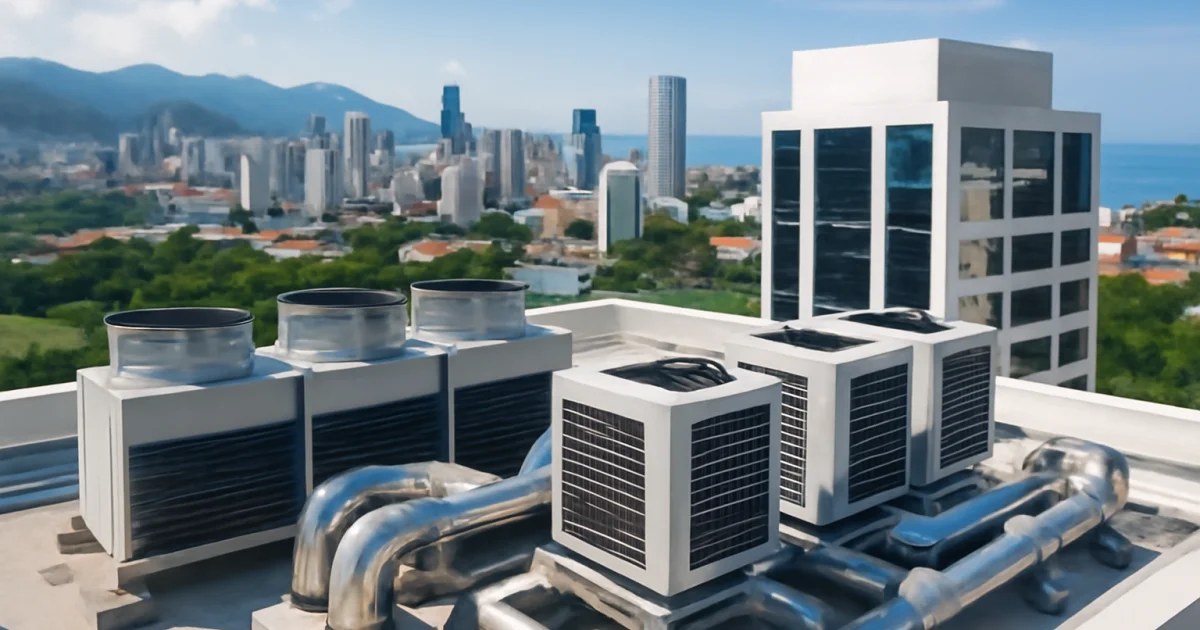
As Penang’s commercial landscape continues to evolve, so do the demands for efficient, sustainable, and future-ready building systems. In 2026, HVAC (Heating, Ventilation, and Air Conditioning) and air conditioning solutions are at the forefront of these developments, driven by technology, environmental awareness, and the need for occupant comfort and wellness. This article explores the most significant HVAC and air conditioning trends influencing Penang’s commercial buildings, providing actionable insights for building owners, facility managers, and property developers. For readers comparing options, air conditioning penang is the main topic this guide explains.
1. Smart Building Integration: The Rise of Intelligent HVAC Systems
One of the most impactful advancements in 2026 is the widespread adoption of smart building technologies. Commercial properties in Penang are increasingly implementing Building Management Systems (BMS) that integrate HVAC, lighting, and security into unified platforms. These intelligent systems monitor real-time occupancy, indoor air quality, and energy consumption, automatically adjusting HVAC operations for optimal performance. As a result, building managers experience easier control, predictive maintenance alerts, and overall improved system reliability.
Practical Example: Smart Sensors in Modern Office Towers
In several new high-rise office projects, smart sensors detect occupancy and ambient temperature, automatically regulating air conditioning levels in each zone. This reduces unnecessary cooling in vacant areas, lowers utility costs, and enhances occupant comfort – a key priority for forward-thinking employers and tenants.
- Scenario: A commercial tower in George Town installs occupancy sensors and a cloud-based BMS. As meeting rooms become vacant, the system reduces cooling, saving thousands annually in energy bills.
- Comparison: Traditional HVAC systems run on fixed schedules and often waste energy, while intelligent systems respond dynamically to building needs.
- Checklist for Implementation:
- Assess current BMS/HVAC integration levels
- Identify high-traffic and low-traffic zones
- Install multi-sensor arrays for occupancy and IAQ
- Partner with an experienced integrator for seamless upgrades
2. Energy Efficiency and Sustainability: Core Priorities for 2026
With sustainability front and center in Malaysia’s development objectives, energy efficiency is now a must-have, not a luxury, for commercial buildings. The latest HVAC systems in Penang utilize advanced inverter-driven compressors, variable refrigerant flow (VRF) technology, and high-efficiency chillers. These systems precisely match cooling output to building demand, significantly decreasing energy consumption.
Additionally, the adoption of eco-friendly refrigerants with low global warming potential (GWP) is accelerating, driven by regulatory changes and corporate environmental, social, and governance (ESG) goals. Many commercial developers are seeking specialized HVAC contractors in Malaysia to ensure compliance and achieve green building certifications such as GreenRE and GBI.
Actionable Step: Energy Audits and System Upgrades
Facility managers can improve operational efficiency by scheduling regular energy audits, retrofitting older systems with energy-efficient equipment, and implementing centralized monitoring. These measures can reduce both operating costs and environmental impact.
- Case Study: A Penang shopping mall replaced outdated chillers with inverter-driven models, achieving a 35% reduction in energy bills and attaining GBI Silver certification.
- Key Mistake to Avoid: Overlooking the impact of insulation and building envelope improvements when upgrading HVAC—these can multiply energy savings.
- Step-by-Step Upgrade Process:
- Commission a professional energy audit
- Prioritize upgrades to highest energy-wasting components
- Incorporate renewable energy sources where feasible
- Train staff on new system controls and maintenance
3. Indoor Air Quality (IAQ): From Nice-to-Have to Non-Negotiable
The pandemic era has elevated indoor air quality from an optional upgrade to a non-negotiable standard. In 2026, Penang’s commercial buildings are deploying advanced ventilation systems, high-efficiency particulate air (HEPA) filters, and UV-C disinfection to maintain healthy environments for staff and visitors.
Mechanical ventilation with demand-controlled strategies ensures a steady supply of fresh air, while real-time IAQ monitoring detects and addresses air pollutants like CO2, VOCs, and particulate matter. These systems not only support occupant wellness but also align with health and safety regulations for offices, shopping malls, and hospitality venues.
Related Resource
For a deeper look at the relationship between ventilation and air conditioning, visit Ventilation vs Air Conditioning: What’s the Difference and Why You Need Both.
- Scenario Analysis: Office towers that installed UV-C air purifiers and real-time air quality displays reported a 20% decrease in employee sick days and higher tenant satisfaction scores.
- Practical Tips:
- Schedule frequent filter replacements and duct cleanings
- Educate occupants on IAQ monitoring tools
- Cross-check system performance during seasonal haze events
4. Flexible and Modular HVAC Design for Dynamic Spaces
Penang’s commercial spaces are increasingly multi-purpose and reconfigurable. Flexible HVAC design is essential to accommodate changing floor plans, varying occupancy, and evolving tenant needs. Modular HVAC solutions, such as VRF systems and packaged rooftop units, allow for easy expansion or reconfiguration with minimal disruption to daily operations.
Modern system layouts also support building extensions and tenant fit-outs without extensive rework, reducing downtime and future-proofing investments. This approach is especially valuable in tech parks, office towers, and mixed-use developments, where adaptability is key to maximizing asset value.
Example: VRF Systems in Mixed-Use Developments
Many new commercial complexes in Penang now deploy VRF systems, enabling individual temperature control for each tenant space. This flexibility enhances comfort, reduces energy waste, and simplifies system management for property owners.
- Comparison: Traditional ducted systems often struggle to adapt to changing tenant layouts, while modular VRF systems can be scaled up or down as needed.
- Checklist for Facility Managers:
- Review leasing trends and tenant requirements annually
- Plan for HVAC zoning in initial construction
- Ensure maintenance staff are trained on modular system diagnostics
5. Digital Twin and Predictive Maintenance: Reducing Downtime and Cost
The digital transformation of building operations is gaining momentum in 2026. Digital twin technology creates a virtual replica of HVAC equipment, allowing facility teams to simulate performance, monitor system health, and predict failures before they occur. Combined with predictive analytics and IoT sensors, this approach enables condition-based maintenance, reducing unplanned downtime and extending equipment lifespan.
Predictive maintenance also helps commercial property managers optimize service schedules, minimize disruption to tenants, and better plan for capital expenditures. These technologies are particularly valuable for large facilities and mission-critical environments like data centers, hospitals, and cleanrooms.
Actionable Advice: Implementing Predictive Analytics
Investing in IoT-enabled HVAC equipment and digital maintenance platforms can deliver measurable ROI by reducing emergency repairs and prolonging asset life. Work with a qualified HVAC contractor in Malaysia to integrate these tools into your building’s operations.
- Scenario: A Penang hospital uses digital twins to monitor chiller performance, predicting failures weeks in advance and preventing costly outages.
- Key Considerations: Ensure data security for cloud-based predictive systems and train staff to interpret analytics dashboards.
6. Decarbonization and Electrification: Preparing for a Low-Carbon Future
Malaysia’s commitment to lowering carbon emissions is driving the shift toward decarbonized building systems. Electrification of HVAC – replacing older fossil-fuel-based systems with next-generation electric heat pumps and chillers – is becoming standard in Penang’s new commercial construction. Coupled with solar-ready infrastructure and energy storage, these systems support on-site renewable generation and grid flexibility.
Forward-looking property owners are also exploring district cooling and central utilities building concepts, which enable shared energy-efficient cooling across multiple properties, reducing both costs and environmental impact.
Practical Example: Green Building Initiatives
Several prominent commercial developments in Penang now feature rooftop solar PV, integrated with high-efficiency HVAC and building management systems. This synergy maximizes energy savings and positions properties for future regulatory requirements and tenant expectations.
- Comparison: Electrified HVAC systems, when paired with on-site solar, can reduce a building’s carbon footprint by up to 50% compared to legacy gas-fired systems.
- Checklist for Decarbonization:
- Evaluate existing systems for electrification compatibility
- Incorporate renewable energy sources into building design
- Work with energy consultants to model long-term ROI
- Monitor evolving local and national regulations on emissions
7. Cleanroom and Specialized HVAC Solutions for High-Tech Industries
Penang’s role as a regional hub for semiconductor, pharmaceutical, and biotechnology manufacturing continues to grow. These industries require specialized cleanroom HVAC systems for strict contamination control, temperature, and humidity management. In 2026, cleanroom contractors are leveraging advanced filtration, precise environmental controls, and modular construction to deliver compliant, scalable facilities.
Cleanroom HVAC solutions must be meticulously designed and installed to meet international standards, ensuring consistent production quality and workplace safety. Facility managers in these sectors benefit from working with experienced contractors who understand the unique demands of cleanroom Malaysia projects.
Further Reading
Learn more about choosing the right cleanroom contractor in Penang for your specialized facility needs.
- Scenario: A medical device manufacturing plant in Penang upgrades its cleanroom HVAC, resulting in faster certification times and fewer production halts due to contamination.
- Key Steps for Cleanroom Projects:
- Engage cleanroom experts early in the design process
- Define ISO class requirements and critical parameters
- Plan for ongoing system validation and monitoring
- Schedule staff training on contamination control practices
8. Regulatory Compliance and Future-Proofing Investments
Regulatory compliance is an ever-present consideration for commercial buildings. In 2026, Malaysian standards and municipal guidelines continue to evolve, covering energy efficiency, refrigerant management, indoor air quality, and workplace safety. Proactive building owners are engaging HVAC specialists early in project planning to ensure compliance, avoid costly retrofits, and secure long-term asset value.
Future-proofing investments means selecting scalable HVAC infrastructure, flexible control systems, and sustainable technologies that can adapt to new regulations and market expectations. Working with a multidisciplinary contractor ensures your building is ready for what’s next.
- Common Mistake: Retrofitting only to meet minimum code, instead of exceeding standards for longer-term marketability and tenant appeal.
- Checklist for Compliance:
- Stay updated on Malaysian energy codes and refrigerant phase-out schedules
- Document all upgrades and certifications for asset records
- Review tenant lease requirements for IAQ and comfort standards
9. Building a Resilient Maintenance and Operations Strategy
Beyond new technology, robust maintenance and operational strategies are essential for maximizing the value of modern HVAC systems. In Penang, where humidity and heat can challenge even advanced equipment, comprehensive preventive maintenance schedules, staff training, and rapid-response protocols protect both investments and occupant health.
- Practical Considerations:
- Develop a digital maintenance log for all HVAC assets
- Establish a rapid escalation process for system alerts
- Invest in ongoing training for facility teams on latest systems
- Scenario: An office complex with a proactive maintenance plan achieves 99% system uptime and lower overall repair expenses compared to similar properties with reactive approaches.
10. Tenant Experience and Value-Added HVAC Services
Modern commercial tenants increasingly expect more than basic temperature control—they value transparency, flexibility, and health-focused amenities. Landlords and facility managers in Penang are differentiating their properties by offering value-added HVAC services, such as personalized climate zones, mobile app-based controls, and regular IAQ reporting.
- Example: A co-working space provides tenants with access to an air quality dashboard and the ability to adjust their own thermal comfort settings via smartphone app, boosting retention rates.
- Steps to Enhance Tenant Experience:
- Integrate HVAC controls with tenant management apps
- Provide quarterly IAQ and energy performance reports
- Solicit feedback on comfort and adjust system programming accordingly
Conclusion: Positioning Your Commercial Building for Success in 2026
The trends shaping HVAC and air conditioning in Penang’s commercial sector are clear: intelligent systems, sustainability, occupant wellness, flexibility, and future readiness. By embracing these developments, property owners and facility managers can enhance building value, reduce operational risks, and attract top-tier tenants.
Whether you’re planning a new commercial project or upgrading an existing facility, partnering with an experienced HVAC contractor in Malaysia is essential. With the right expertise and forward-thinking approach, your property will remain competitive and compliant amid evolving industry standards.
Ready to implement these trends in your building? Contact a trusted specialist to explore how bespoke HVAC and air conditioning solutions can future-proof your investment in Penang.
Frequently Asked Questions
What are the key HVAC and air conditioning trends for commercial buildings in Penang in 2026?
Major trends include smart building integration, energy-efficient systems, indoor air quality focus, modular HVAC designs, digital twin technology, decarbonization, and specialized cleanroom solutions for high-tech industries. These innovations enhance efficiency, occupant comfort, and regulatory compliance.
How can commercial buildings in Penang improve indoor air quality?
Buildings can deploy advanced ventilation systems, HEPA and UV-C filtration, demand-controlled ventilation, and real-time air quality monitoring. Regular system maintenance and working with experienced HVAC professionals further ensure a healthy indoor environment.
Why is predictive maintenance important for HVAC systems?
Predictive maintenance uses IoT sensors and analytics to monitor HVAC system health, anticipate failures, and schedule timely interventions. This reduces downtime, lowers repair costs, and extends equipment lifespan for commercial properties.
What role does energy efficiency play in future-ready HVAC systems?
Energy efficiency is crucial for reducing operational costs and meeting sustainability targets. Modern HVAC systems use inverter technology, VRF, and eco-friendly refrigerants to optimize energy use, often helping buildings achieve green certifications.
Which industries in Penang require specialized HVAC or cleanroom solutions?
Semiconductor manufacturing, pharmaceuticals, biotechnology, and food processing sectors often require cleanroom HVAC systems with precise environmental controls. These solutions ensure strict contamination control and regulatory compliance.
Future-Proof Your Commercial Building with Coolaire Engineering
Stay ahead in Penang’s competitive commercial real estate market with tailored HVAC and air conditioning solutions from Coolaire Engineering. Our multidisciplinary team delivers smart, sustainable, and future-ready systems – from cleanroom design to advanced building management and ventilation. Whether you’re planning a new project or upgrading an existing facility, we help you achieve compliance, efficiency, and superior occupant comfort.
Contact Coolaire Engineering today to discuss how we can transform your building for 2026 and beyond.
Disclaimer:
We hope you find this article helpful and informative. Our content is intended for general informational purposes only and does not constitute advice or necessarily reflect the full range of services offered by Coolaire Engineering Sdn. Bhd.
For personalized advice, please consult with a professional or contact us directly. While we strive for accuracy and completeness in our blog posts, we cannot guarantee they are error-free. Coolaire Engineering Sdn. Bhd. assumes no responsibility for any errors or omissions.